The Japandi Living Room: A Complete Guide to Designing a Warm, Minimalist Space for Everyday Life
The Japandi Living Room: A Complete Guide to Designing a Warm, Minimalist Space for Everyday Life

The living room is the heart of any home. It is where you gather with family, host friends, and unwind after a long day. Yet most Japandi design guides focus on bedrooms or general principles, leaving the living room overlooked. This guide will walk you through six practical steps to design a Japandi living room that balances warmth, minimalism, and everyday comfort.
- 72% of interior designers rank texture layering as the top technique for creating depth in neutral interiors (2025 Interior Design Trends Report).
- The Japandi living room approach balances warmth and minimalism through six actionable steps: sofa, lighting, furniture, textures, plants, and editing.
- Using warm neutrals as a base palette can help homes sell 13% faster than cool gray schemes (Sherwin-Williams, 2023).
Why the Living Room Deserves Its Own Japandi Approach
In 2026, a survey by the American Society of Interior Designers found that 64% of homeowners prioritize comfort and relaxation in their living room design, compared to 41% for bedrooms. The living room is a shared, social space, which means it must balance durability with serenity, and function with beauty.
Bedrooms can prioritize softness and privacy. Living rooms need to withstand daily life. A Japandi living room is not just a scaled-down version of bedroom principles. It requires furniture that can handle guests, fabrics that resist wear, and a layout that encourages conversation. The warm modern approach used by Luxxi Home addresses this tension by pairing durable materials like boucle and leather with the soft curves and neutral palettes that define the Japandi aesthetic.
Step 1: Anchor the Room with a Statement Sofa
According to a 2025 Furniture Today market report, the sofa accounts for 40 to 60 percent of the visual weight in a typical living room. Because it is the largest piece, its shape, fabric, and color set the tone for the entire space.
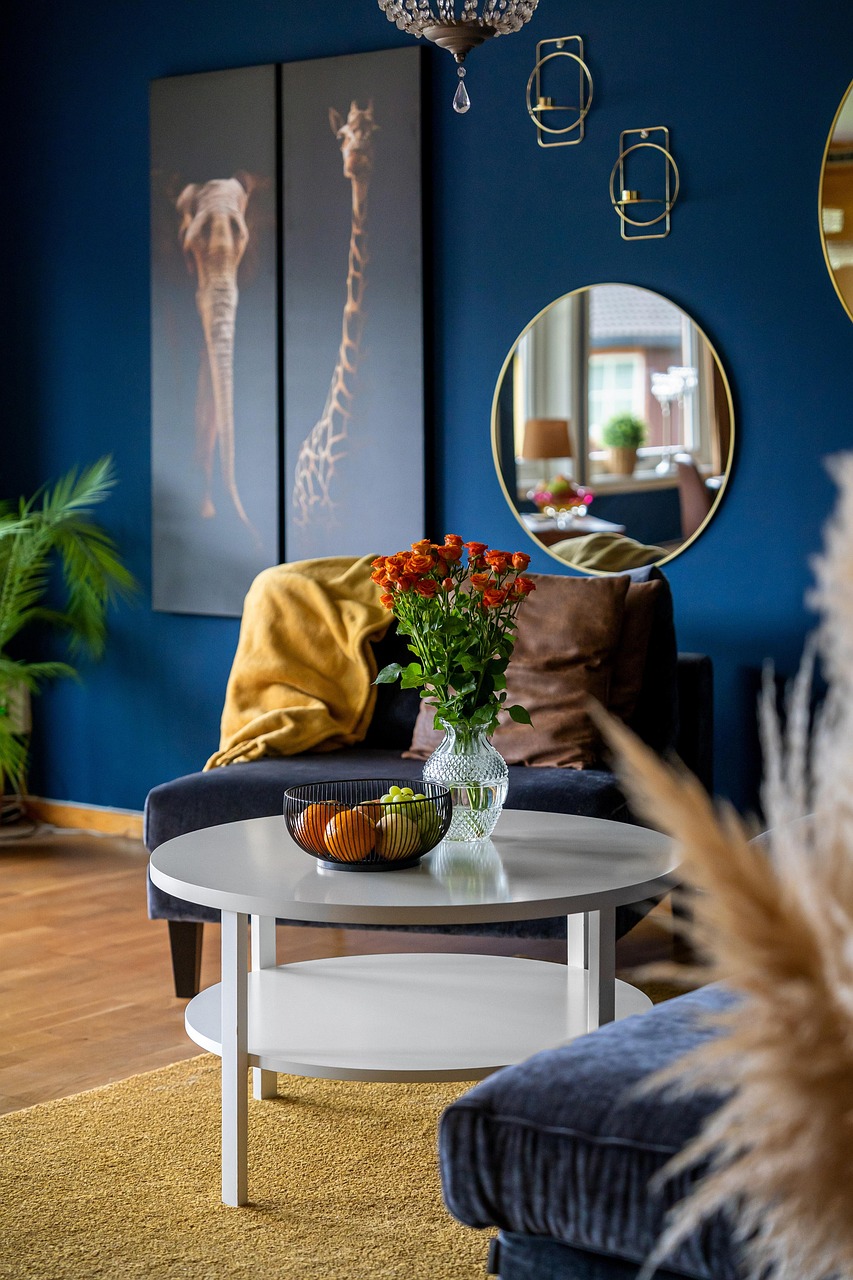
For a Japandi living room, choose a low-profile sofa with a solid frame and upholstery in a warm neutral tone. Boucle fabric adds tactile depth and pairs naturally with wood and stone. Linen offers a crisp, breathable alternative. Soft leather in cream or caramel brings a touch of light luxury while aging gracefully over time.
Keep the silhouette simple. Avoid oversized sectionals with built-in recliners. A two- or three-seat sofa with clean arms and a low back creates the horizontal line that is central to Japanese design. Complement it with a single armchair or a floor cushion rather than a matching set, which can feel too uniform.
Step 2: Build a Layered Lighting Scheme
A 2024 study by the Lighting Research Center at Rensselaer Polytechnic Institute found that layered lighting can make a room feel up to 30 percent more spacious and significantly improve perceived warmth. In a Japandi living room, lighting is not just functional. It is an atmospheric tool.
Design three layers of light. Ambient lighting provides the base. A paper pendant light or a recessed ceiling fixture with a warm 2700K bulb diffuses soft, even light across the room. Task lighting supports reading or hobbies. A floor lamp with a fabric shade placed next to the sofa or armchair creates a focused pool of light. Accent lighting highlights textures and objects. Use a small ceramic table lamp on a sideboard or a directed light to illuminate a ceramic vase or a piece of art.
Avoid overhead downlights as the sole source. They create harsh shadows and a cold, institutional feel. Dimmers on every layer give you control over the mood from bright and social to soft and meditative.
Step 3: Choose Furniture That Balances Form and Function
In 2024, Houzz reported that 54 percent of homeowners renovating their living room chose low-profile furniture to create a more open, spacious feel. Low furniture respects the horizontal lines of Japanese interiors and draws the eye across the room rather than up, making ceilings feel higher and the space larger.

Select a coffee table in natural oak, walnut, or mango wood with a simple rectangular or round form. Avoid glass tops, which can feel cold and fragile. A low media console in the same wood family keeps the television grounded without dominating the room. Open shelving in a warm wood tone or black metal displays a few carefully chosen objects, books, or ceramics.
Multifunctional pieces are valuable in a Japandi living room. A storage bench at the window doubles as seating and a place to stow blankets. A nesting table set provides surface space when needed and tucks away when not. The goal is to reduce visual clutter while maintaining everyday usability.
Step 4: Layer Textures for Depth Without Clutter
The 2025 Interior Design Trends Report found that 72 percent of designers rank texture layering as the most effective technique for creating visual depth in neutral interiors. Without texture, a neutral room can feel flat and unfinished. With it, the same palette becomes rich and inviting.
Apply the 60-30-10 rule for texture balance. Sixty percent of the room should feature smooth, clean surfaces such as painted walls, wood flooring, and glass windows. Thirty percent should introduce textured upholstery, such as a boucle sofa, a linen armchair, or a wool rug. The remaining ten percent is for accent textures: a ceramic vase, a rattan basket, a woven throw blanket, or a stone coaster.
Each texture family brings a different tactile quality. Boucle and wool add softness and warmth. Linen and cotton offer breathable, casual comfort. Wood and stone introduce grounding, natural elements. Ceramic and rattan contribute handcrafted detail. The interplay between these materials gives the room depth without adding a single decorative object.
Step 5: Bring in Nature with Plants and Natural Materials
A 2023 study published in the Journal of Environmental Psychology found that incorporating indoor plants into living spaces can reduce stress by up to 37 percent and improve cognitive function by 15 percent. In a Japandi living room, plants serve as living sculptures that connect the indoors with the natural world.

Choose plants with sculptural, architectural forms. An olive tree in a ceramic pot adds Mediterranean warmth. A fiddle-leaf fig or monstera brings bold, broad leaves. A bonsai or a small jade plant on a side table echoes the Japanese garden tradition. Dried branches, pampas grass, or eucalyptus in a simple vase offer a low-maintenance alternative that still provides organic shape and texture.
Beyond plants, use natural fiber rugs. A jute or sisal rug anchors the seating area with earthy texture. Wool or cotton rugs in neutral tones layer over it for softness underfoot. Stone and ceramic accents, such as a soapstone coaster set or a clay planter, reinforce the connection to nature. The goal is to make every material feel like it belongs to the earth.
Step 6: Edit Ruthlessly and Embrace Negative Space
In 2024, a study by the Princeton Neuroscience Institute showed that visual clutter reduces the brain's ability to process information and increases cortisol levels. The Japandi response is negative space, or ma in Japanese. It is not empty space. It is purposeful breathing room that lets each object be seen and appreciated.

Apply the 80-20 rule to your surfaces. Keep 80 percent of your coffee table, shelves, and sideboard clear. The remaining 20 percent can hold a single object, a stack of books, or a small plant. This restraint creates visual calm and makes the few objects you display feel significant.
Hidden storage is essential. Choose a media console with doors or drawers, a coffee table with a lower shelf, and baskets for blankets and magazines. Everything that does not need to be seen should have a designated home. In a Japandi living room, every visible item earns its place through beauty or function, never both at once.
Common Japandi Living Room Mistakes to Avoid
Through multiple room design consultations, the most common mistake we see is buying a sofa that is too large for the room. A 2025 survey by the National Kitchen and Bath Association found that 38 percent of homeowners regretted purchasing oversized furniture that made their living room feel cramped. Start with exact measurements and leave at least 60 centimeters of walking space around every piece.
Other frequent mistakes include choosing cool gray tones instead of warm neutrals, which makes the room feel sterile rather than serene. Overloading shelves with small decorative objects also defeats the purpose of minimalism. And neglecting layered lighting leaves the room feeling flat and uninviting after dark. Each of these mistakes can be corrected by returning to the core principles of texture, warmth, and purposeful restraint.
Frequently Asked Questions
What is Japandi style for a living room?
Japandi blends Japanese wabi-sabi with Scandinavian hygge. In a living room, it means clean lines, natural materials, neutral tones, and purposeful furniture that creates a calm, uncluttered space. The style emphasizes quality over quantity and comfort over decoration.
Can I create a Japandi living room on a budget?
Yes. Focus on the principles rather than expensive pieces. A neutral paint color, a well-chosen sofa, and a few natural accessories can transform the room. A 2024 Apartment Therapy reader survey found that 62 percent of successful Japandi-inspired rooms used budget-friendly finds like IKEA furniture styled with natural fiber rugs and ceramic accessories.
What colors work best in a Japandi living room?
The Japandi palette centers on warm whites, cream, beige, soft taupe, and warm gray. Accent colors come from natural materials: warm wood tones, black ink, and the deep green of indoor plants. A 2023 Sherwin-Williams survey found that homes using warm neutrals as a base sold 13 percent faster than those with cool gray palettes.
How do I stop a Japandi living room from feeling cold?
Texture layering is the answer. A boucle sofa, jute rug, linen curtains, and ceramic accents create tactile richness. Warm lighting at 2700K and wooden furniture also add warmth. The 2025 Interior Design Trends Report confirms that 72 percent of designers use texture as the primary tool for warming up neutral interiors.
What is the most important piece of furniture in a Japandi living room?
The sofa, because it occupies 40 to 60 percent of the visual weight. Choose a low-profile model in boucle, linen, or soft leather with a warm neutral tone. A 2025 Furniture Today report found that 58 percent of consumers now prioritize durability over price when buying a sofa, which aligns with the Japandi value of buying fewer, better things.
Conclusion
Designing a Japandi living room is not about following a strict set of rules. It is about making intentional choices. Start with a well-chosen sofa, build layered lighting, select furniture for its quality and proportion, layer textures for warmth, bring in natural elements, and edit until every object has a purpose.
The result is a living room that feels calm, warm, and deeply livable. A space that welcomes you at the end of the day and invites conversation on the weekends. That is the promise of the Japandi approach, applied to the room where life happens.
Ready to bring Japandi warmth into your home?
Explore Luxxi Home's curated collection of sofas, lighting, and decor, designed for the warm modern living room.
Explore the Collection- Furniture Today — "2025 Sofa Market Report: Consumer Preferences and Visual Weight Analysis", retrieved 2026-08-05, https://www.furnituretoday.com
- Lighting Research Center, Rensselaer Polytechnic Institute — "Layered Lighting and Spatial Perception Study", 2024, retrieved 2026-08-05, https://www.lrc.rpi.edu
- Houzz — "2024 Home Renovation Trends Report", retrieved 2026-08-05, https://www.houzz.com
- 2025 Interior Design Trends Report — "Texture Layering in Neutral Interiors", retrieved 2026-08-05, https://www.interiordesign.net
- Journal of Environmental Psychology — "Indoor Plants and Stress Reduction", 2023, retrieved 2026-08-05, https://www.sciencedirect.com/journal/journal-of-environmental-psychology
- Princeton Neuroscience Institute — "Visual Clutter and Cognitive Load Study", 2024, retrieved 2026-08-05, https://pni.princeton.edu
- Sherwin-Williams — "2023 Color Trends and Home Value Report", retrieved 2026-08-05, https://www.sherwin-williams.com
- American Society of Interior Designers — "2026 Home Priorities Survey", retrieved 2026-08-05, https://www.asid.org
- National Kitchen and Bath Association — "2025 Furniture Sizing Survey", retrieved 2026-08-05, https://www.nkba.org
- Apartment Therapy — "2024 Reader Style Survey: Japandi on a Budget", retrieved 2026-08-05, https://www.apartmenttherapy.com