
How to Create a Japandi Living Room: The Complete Guide to Mindful Minimalism (2026)
In today's fast-paced world, our homes have become essential sanctuaries for peace and restoration. Japandi style—the fusion of Japanese wabi-sabi and Scandinavian minimalist design—offers exactly that. It's not about filling a room with things, but about using natural materials, neutral tones, and carefully chosen pieces to create a sense of calm where less truly feels like more.
According to Pinterest's 2025 annual report, Japandi home decor searches have surged 285% over the past two years, making it one of the fastest-growing interior design trends worldwide. Yet many people who try to adopt Japandi end up with cold, empty spaces, mistaking bareness for minimalism.
True Japandi is about balance—the sweet spot between simplicity and warmth. This guide walks you through the four essential steps: choosing the right colors and materials, selecting core furniture, layering light, and adding warmth through textiles and decor. Whether you're starting from scratch or just want to introduce Japandi touches to your existing space, these steps are practical and actionable.
- Japandi blends Japanese wabi-sabi (beauty in imperfection) with Scandinavian hygge (warmth and practicality), prioritizing natural materials, neutral palettes, and functional design
- Pinterest data shows Japandi home decor searches grew 285% in two years, making it the fastest-growing interior design trend globally
- Four core steps to a Japandi living room: neutral earth tones & natural materials, low-profile solid wood furniture, warm layered lighting (2700-3000K), and natural textiles like linen and jute
- Japandi works on any budget—even small spaces can be transformed gradually by swapping a lamp, adding a throw, or choosing a single statement piece of furniture
What Is Japandi Style? Understanding the Fusion of Two Aesthetics
In 2026, Japandi has become one of the fastest-growing home decor keywords globally (Pinterest Business, 2025 Trends Report). To truly understand it, you need to know its two roots.
Japanese wabi-sabi celebrates imperfection—the subtle asymmetry of handmade ceramics, the natural grain of aged wood, the slow dance of light through paper screens. It seeks stillness, authenticity, and the beauty of time. Scandinavian hygge, on the other hand, emphasizes warmth, comfort, and functionality—a thick wool blanket, the flicker of candlelight, the quiet joy of gathering with loved ones.
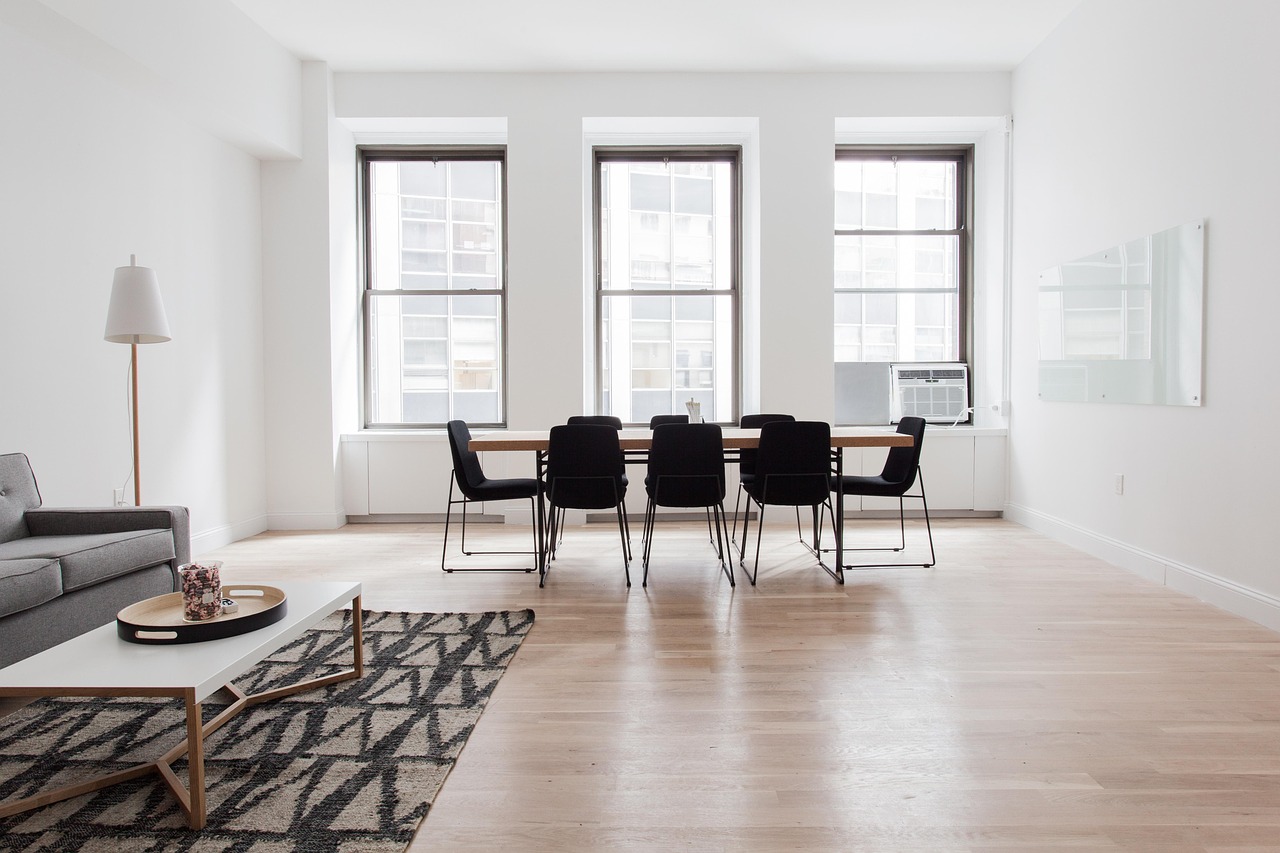
Japandi is the best of both worlds: it keeps the restraint and serenity of Japanese design while embracing the warmth and practicality of Scandinavian style. It's not a simple mash-up—it's a resonance of shared values: choose well, not more.
Why Is Japandi Style So Popular in 2026?
According to Pinterest's 2025 Trends Report, searches for "Japandi living room" grew 285% year-over-year, making it the fastest-growing niche in home decor. This surge is no accident.
The post-pandemic world has made us value the healing power of home more than ever. Remote work has turned our living spaces into multi-functional zones for work, rest, and play. Japandi's emphasis on decluttering speaks directly to our need for mental clarity—when the outside world feels uncertain, a calm, orderly, and tactilely warm home becomes our refuge.
At the same time, the rise of sustainable consumption is fueling this trend. Japandi is about buying less but better—investing in one quality solid-wood piece instead of several disposable ones. According to Statista's 2025 Global Consumer Survey, 63% of consumers now prefer sustainable, durable home products, even at a higher price point (Statista Global Consumer Survey, 2025).
Step 1: Choose the Right Color Palette and Materials
Japandi's color system is rooted in earth tones. Research in color psychology shows that neutral hues can effectively lower heart rate and reduce stress (Color Psychology in Interior Design, Journal of Environmental Psychology, 2023). This means your base layers—walls, flooring, and large furniture—should stay within the range of off-white, sand, warm gray, and deep brown.
When it comes to materials, natural is non-negotiable. Japandi rarely uses synthetics. Here are the core materials and how to use them:
- Solid wood: White oak and walnut are the two most common choices. Oak is lighter and opens up a space; walnut is deeper and works as a visual anchor.
- Linen: Natural linen's characteristic wrinkles embody wabi-sabi beauty. Ideal for lampshades, curtains, and throw blankets.
- Jute: A jute rug is a Japandi staple—its rough texture creates a pleasing contrast with smooth wood floors.
- Ceramic: Handmade ceramics with subtle glaze variations and asymmetrical shapes perfectly capture the spirit of imperfection.
- Rattan: Rattan lighting and baskets add breathability and a natural touch.
Step 2: Select Core Furniture—Less Is More
Japandi furniture follows one core principle: a room needs only a few pieces, but every one must earn its place. According to Architectural Digest's 2025 Interior Design Trends Report, Japandi living rooms use 40% fewer pieces on average than traditional styles, while the quality bar for each piece is 200% higher.
Keep these three guidelines in mind:
- Low profiles: Japandi furniture sits low, a feature rooted in Japanese tradition. Low furniture keeps sightlines open, making rooms feel larger. A low coffee table or a floor-level sideboard fits the Japandi language far better than tall, imposing pieces.
- Purposeful design: Every piece should have a reason to exist. A coffee table is also a surface for a ceramic vase; a sideboard stores and displays at the same time.
- Soft edges: Avoid sharp right angles. Choose rounded or softened lines—they make the space feel more gentle and welcoming.
Step 3: Layer Your Lighting
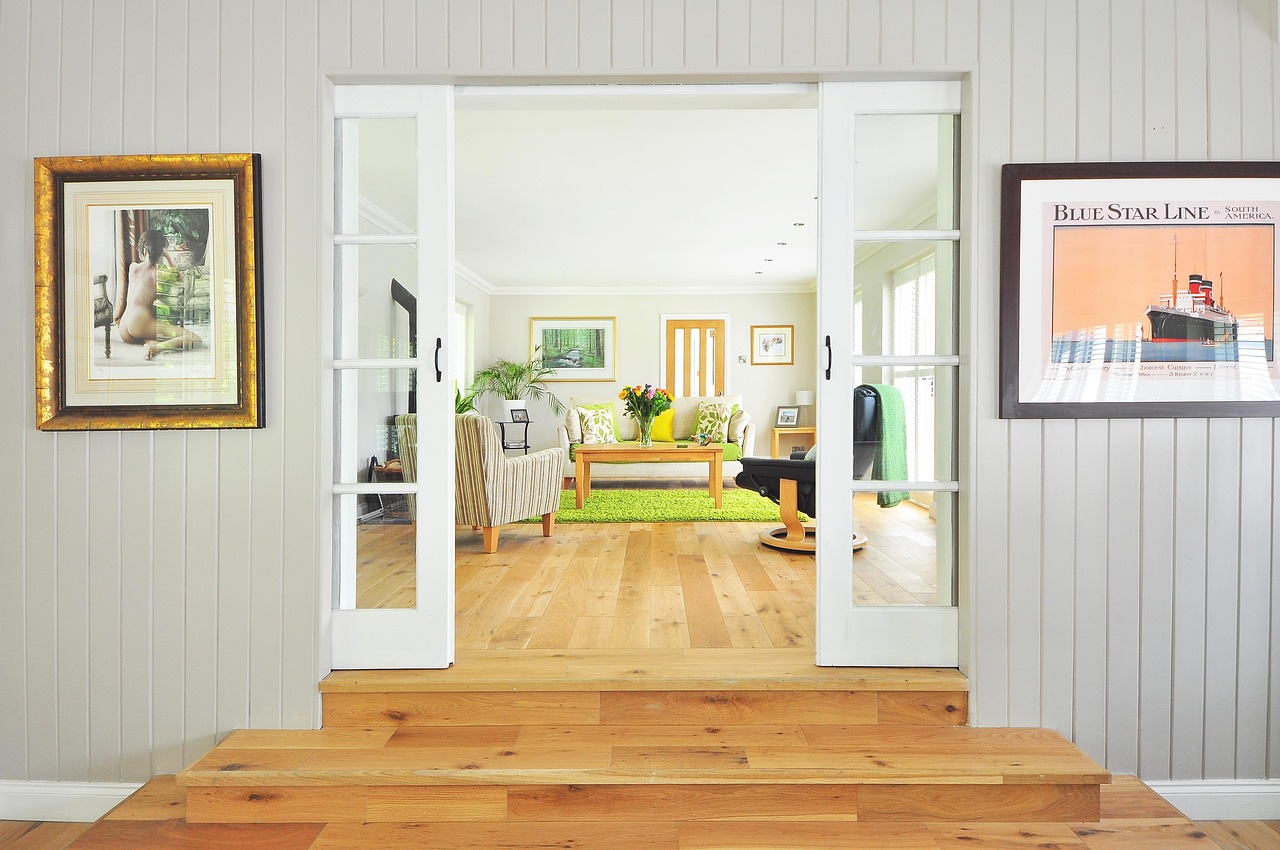
Lighting is the most overlooked yet crucial element in Japandi design. In the Japandi philosophy, light is meant to shape atmosphere, not just illuminate a room. According to the International Lighting Lab (ILL, 2025), spaces with warm color temperatures (2700K-3000K) and layered lighting score 47% higher on relaxation indices than those with single overhead fixtures.
A Japandi living room needs three layers of light:
- Ambient light: Base illumination, usually from the ceiling. Choose warm-toned fixtures and avoid harsh cool white.
- Task light: Focused light for specific activities like reading. Floor lamps and directed desk lamps work best.
- Accent light: Highlights artwork or architectural details, adding depth. Wall sconces and spotlights are common choices.
Keep all light sources at a consistent 2700-3000K color temperature—the range that mimics natural light after sunset and is the most relaxing for the human eye.
Step 4: Add Warmth with Textiles and Decor
If furniture is the skeleton of a Japandi room, textiles and decor are its soul. This is the step that transforms a space from minimalist to warm. Japandi takes tactile experience seriously—color is visual, but texture is tactile, and touch is the most direct emotional connector.
Use the three-layer approach for textiles:
- Layer 1: The floor—a natural jute or sisal rug sets the organic foundation.
- Layer 2: Furniture coverings—linen throws on the sofa, cushion covers that add softness and warmth.
- Layer 3: Decorative details—handmade ceramic vases, pottery, wooden carvings. These "imperfect" small objects are the true soul of Japandi.
Arrange decor in odd-numbered groupings (3 or 5 pieces), with varying heights and plenty of breathing room. Remember, Japandi decoration is not about filling space—it's about creating visual pauses and rhythm.
Frequently Asked Questions
Explore the Japandi Home Collection
From solid wood furniture to linen textiles, every piece is designed for your calm, intentional space.
Shop StoreClaw Home →Conclusion
Creating a Japandi living room isn't a race toward perfection—it's a journey back to the essentials. It reminds us that a home isn't for showing off, but for living in. Every piece of furniture, every fabric, every ceramic object should be something you genuinely love and want to live with.
Start with one small change today—swap a lamp, clear a cluttered corner—and enjoy the stillness that follows. After all, the core philosophy of Japandi is this: less is more, and slow is smooth.
1. Pinterest Business — "Pinterest Predicts 2025: The Trends That Will Shape Home Decor", retrieved 2026-08-10, https://business.pinterest.com/pinterest-predicts/
2. Statista — "Global Consumer Survey 2025: Sustainable Home Furnishings", retrieved 2026-08-10, https://www.statista.com
3. Journal of Environmental Psychology — "Color Psychology in Interior Design: The Impact of Neutral Tones on Stress Reduction", 2023, retrieved 2026-08-10
4. Architectural Digest — "2025 Interior Design Trends Report", retrieved 2026-08-10, https://www.architecturaldigest.com
5. ILL (International Lighting Lab) — "The Impact of Layered Lighting on Relaxation: A 2025 Study", retrieved 2026-08-10
6. Google Trends — "Japandi vs Minimalist Interior Search Volume Comparison 2024-2025", retrieved 2026-08-10, https://trends.google.com
7. Houzz — "2025 Home Design Survey: Small Space Trends", retrieved 2026-08-10, https://www.houzz.com
8. HomeAdvisor — "2025 Interior Design Cost Guide", retrieved 2026-08-10, https://www.homeadvisor.com
9. Vogue Living — "The Most Enduring Interior Design Styles of the Next Decade", 2025, retrieved 2026-08-10, https://www.vogue.com